Traditional Japanese Fan: A Timeless Design Element
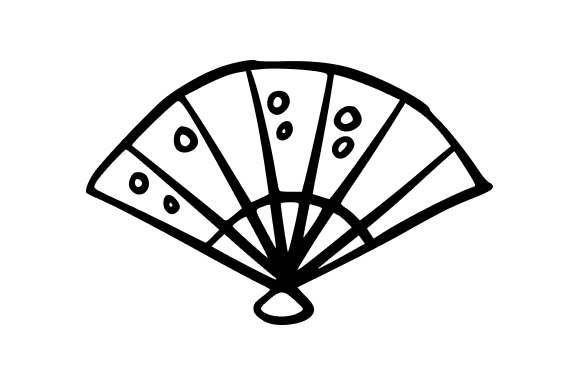
The Traditional Japanese Fan, known as kazari-bōshi or sensu, is a cultural artifact that has transcended its historical roots to become a versatile design element. These fans, often crafted from bamboo and paper, have been used for centuries in Japan for both practical and ceremonial purposes. Today, they serve as a source of inspiration for designers, marketers, and creators looking to infuse their work with cultural depth and aesthetic appeal.
What Makes Traditional Japanese Fan Unique?
Traditional Japanese Fans are distinct due to their intricate craftsmanship and symbolic meaning. Unlike mass-produced fans, these are often handcrafted, with attention paid to every detail, from the choice of materials to the patterns painted on the surface. The design elements frequently incorporate motifs inspired by nature, such as cherry blossoms, cranes, and waves, reflecting the deep connection between Japanese culture and the natural world.
The structure of the fan also sets it apart. Most traditional fans feature a flexible frame made of bamboo or wood, allowing them to be folded and stored easily. This functionality has made them a practical tool for cooling in warm weather, but their visual appeal has ensured their continued relevance in artistic and decorative contexts.
Comparing Traditional Japanese Fan with Modern Alternatives
When considering design assets, the Traditional Japanese Fan offers a unique aesthetic that may not be found in modern alternatives. While digital tools and contemporary graphic elements can provide a sleek, minimalist look, the Traditional Japanese Fan brings a sense of heritage and authenticity that resonates with audiences seeking something more meaningful.
For instance, in print design, a traditional fan illustration might complement a project focused on Japanese culture, while a modern geometric pattern could suit a tech-oriented brand. Similarly, in web design, the use of a traditional fan image could add visual interest and cultural context, whereas a more abstract design might better align with a global or futuristic theme.
It's important to note that the Traditional Japanese Fan is not a one-size-fits-all solution. Its effectiveness depends on the context and the message the designer wishes to convey. In some cases, a more contemporary approach may be more appropriate, especially when targeting younger audiences or industries that value innovation over tradition.
Strengths and Best-Fit Situations
One of the key strengths of the Traditional Japanese Fan is its ability to evoke emotion and tell a story. When used in presentations or promotional materials, it can help create a narrative that connects with viewers on a deeper level. For example, a marketing campaign promoting a luxury spa might benefit from the elegance and serenity associated with traditional Japanese aesthetics.
In infographics, the fan’s visual elements can be used to represent concepts like balance, harmony, or transformation—themes that are central to many cultural narratives. Stickers featuring a traditional fan design can also serve as a subtle way to express cultural appreciation without being overtly aggressive in their messaging.
Additionally, the versatility of the Traditional Japanese Fan makes it suitable for a wide range of projects. Whether used as a background element, a focal point, or part of a larger composition, it can adapt to different styles and formats. This flexibility is particularly valuable for content creators who want to maintain a cohesive visual identity across multiple platforms.
Tradeoffs and Limitations
Despite its many advantages, the Traditional Japanese Fan may not always be the best choice. One potential limitation is its cultural specificity. While this can be a strength in certain contexts, it may also limit its appeal in more diverse or international settings. Designers should consider whether the target audience will recognize or appreciate the cultural references embedded in the fan’s imagery.
Another consideration is the level of detail required to effectively incorporate the Traditional Japanese Fan into a design. High-quality illustrations are essential to maintain the integrity of the original artwork, and this may require additional time and resources. For projects with tight deadlines or limited budgets, this could be a challenge.
Furthermore, the Traditional Japanese Fan may not be the most effective choice for all types of media. In digital formats, for example, the fan’s intricate details may not translate well if the resolution is too low. This highlights the importance of using high-quality files, such as SVG, EPS, or transparent PNGs, to ensure that the design remains sharp and visually appealing at any size.
When to Choose Traditional Japanese Fan
The Traditional Japanese Fan is an excellent choice when the goal is to add cultural depth, visual interest, or a sense of tradition to a project. It works well in situations where the design is meant to evoke a specific mood or reflect a particular theme. For example, a website promoting Japanese cuisine could benefit from the inclusion of a traditional fan image, as it would reinforce the cultural authenticity of the content.
It is also a good option for brands that want to differentiate themselves through unique, culturally inspired visuals. By incorporating elements of the Traditional Japanese Fan, a brand can stand out in a crowded market and connect with audiences who value creativity and authenticity.
When to Consider Other Options
There are scenarios where other design elements may be more appropriate. For instance, if the target audience is primarily young adults or tech-savvy users, a more modern and dynamic visual style might resonate better. In these cases, alternatives such as abstract shapes, digital art, or minimalist graphics could be more effective.
Similarly, when the focus is on clarity and simplicity, the complexity of the Traditional Japanese Fan may not be ideal. In such cases, a clean, straightforward design might be more suitable, especially for applications like data visualization or user interface elements where readability is paramount.
Ultimately, the decision to use the Traditional Japanese Fan should be based on the specific needs of the project and the preferences of the intended audience. By carefully evaluating the strengths and limitations of this design element, creators can make informed choices that enhance the overall impact of their work.