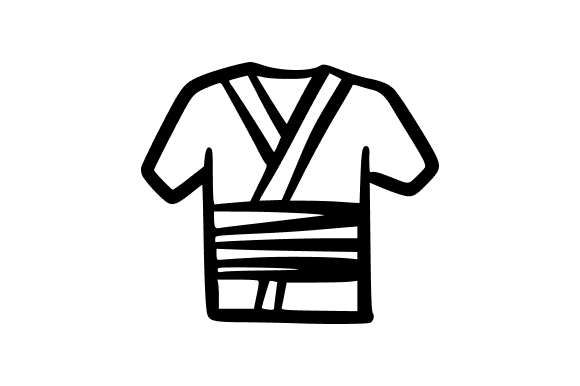
Outline Japanese Kimono: A Versatile Asset for Creative Workflows
The Outline Japanese Kimono is more than just a visual asset—it’s a powerful tool that can enhance a wide range of creative and professional projects. Whether you're working on print design, web development, presentations, or marketing materials, this illustration offers flexibility, quality, and adaptability. Understanding how to integrate it into your workflow can significantly improve the efficiency and impact of your work.
What Is Outline Japanese Kimono?
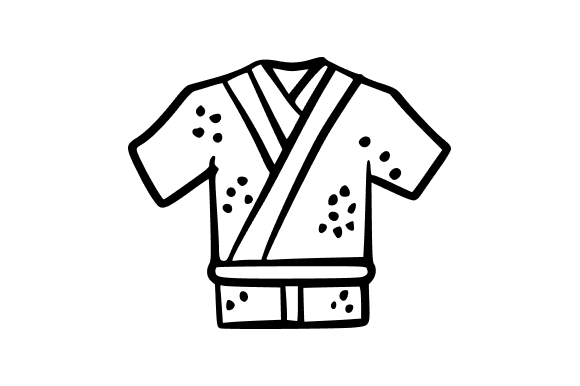
The Outline Japanese Kimono refers to a stylized, line-based representation of a traditional kimono, often used in graphic design and digital illustration. Unlike full-color images, this version focuses on the structure, shape, and form of the garment, making it ideal for a variety of applications. Its simplicity allows for easy customization, layering, and integration into different design contexts.
This asset is particularly useful when working with themes related to Japanese culture, fashion, history, or aesthetics. It can serve as a base for further artistic interpretation, a background element, or a standalone graphic for branding and promotional purposes.
How Outline Japanese Kimono Fits Into Broader Processes
Integrating the Outline Japanese Kimono into your workflow depends on the nature of your project. It can be used at various stages—before, during, or after a task—to support planning, execution, and refinement. For example:
- Before a project: Use it as inspiration or reference material when developing concepts or designing layouts.
- During a project: Incorporate it into mockups, storyboards, or visual assets to maintain consistency and cultural accuracy.
- After a project: Utilize it for packaging, social media content, or promotional materials to reinforce brand identity.
Its versatility makes it a valuable addition to both digital and physical design processes.
Using Outline Japanese Kimono in Different Contexts
The Outline Japanese Kimono can be applied across multiple industries and workflows. Here are some practical use cases:
- Print Design: Use it as a background pattern or decorative element in brochures, posters, or business cards. Its vector format ensures crisp edges at any size.
- Web Design: Incorporate it into website headers, banners, or icons to add cultural or aesthetic depth without compromising performance.
- Presentations: Add it to slides to illustrate topics related to Japanese culture, fashion, or historical context.
- Marketing Materials: Feature it in advertisements, flyers, or social media posts to attract attention and convey authenticity.
- Infographics: Use it as a visual component in data-driven designs to highlight cultural references or thematic elements.
- Stickers and Merchandise: Repurpose it for custom stickers, t-shirts, or other merchandise that appeals to niche audiences.
Each application requires careful consideration of scale, color, and placement to ensure the asset complements the overall design.
Compatibility and Usability
The Outline Japanese Kimono comes in multiple file formats—SVG, EPS, JPG, and Transparent PNG—each suited for different needs. Understanding the strengths of each format helps optimize its usability:
- SVG: Ideal for scalable graphics that maintain clarity at any size. Perfect for web and app design where responsiveness is key.
- EPS: Best for professional printing and vector-based software like Adobe Illustrator. Ensures high-quality output for physical media.
- JPG: Suitable for everyday use where high-resolution images are needed without transparency. Useful for websites and general digital use.
- Transparent PNG: Excellent for overlays, layered designs, and quick edits. Allows for seamless integration into backgrounds and compositions.
Choosing the right format depends on your specific project requirements and the tools you’re using.
Workflow Integration and Practical Tips
Integrating the Outline Japanese Kimono into your workflow involves more than just selecting the right file. Here are some practical tips to ensure smooth implementation:
- Preparation: Before using the asset, familiarize yourself with its structure and potential variations. This helps in making informed decisions about customization and placement.
- Organization: Store the files in a structured manner, especially if you work with multiple assets. Label them clearly to avoid confusion during the design process.
- Consistency: Maintain visual consistency by using the same style or color scheme across all design elements. This enhances professionalism and user experience.
- Quality Control: Always review the final output to ensure the asset meets your standards. Check for clarity, alignment, and compatibility with other design elements.
- Long-Term Use: Consider how the asset will fit into future projects. Reusability and adaptability are key factors in maximizing its value over time.
By following these steps, you can streamline your workflow and make the most of the Outline Japanese Kimono.
Interactions With Other Tools and Resources
The Outline Japanese Kimono works well alongside other design tools and resources. For instance:
- Design Software: Use it in Adobe Photoshop, Illustrator, or Figma to create layered compositions or interactive elements.
- Stock Image Libraries: Combine it with other assets to build rich, cohesive visuals for presentations or campaigns.
- Typography: Pair it with appropriate fonts to enhance readability and visual harmony in text-based designs.
- Color Schemes: Choose complementary colors that reflect the theme of the kimono while maintaining a professional look.
These interactions can help elevate the overall quality and coherence of your design work.
Conclusion: Elevating Your Creative Process
The Outline Japanese Kimono is a versatile and high-quality asset that can enhance a wide range of creative and professional workflows. By understanding its purpose, format options, and integration possibilities, you can effectively use it to support your design goals. Whether you're a designer, marketer, educator, or content creator, this asset offers a practical way to add depth, authenticity, and visual appeal to your projects.