Heat Stroke Symptoms: Sunshock Explained
Heat stroke symptoms and sunshock are serious conditions that can occur during hot weather. Understanding what they are and how to prevent them is essential for staying safe, especially in summer. Whether you're planning a beach day or just want to stay comfortable during the heat, knowing the signs and ways to protect yourself makes all the difference.
What Are Heat Stroke Symptoms and Sunshock?
Heat stroke symptoms refer to the severe reaction your body has when it overheats. This happens when your body's temperature regulation system fails, causing your temperature to rise dangerously high. Sunshock, often used interchangeably with heatstroke, is a similar condition caused by prolonged exposure to the sun. Both can lead to life-threatening complications if not addressed quickly.
The main difference between sunshock and heat exhaustion is severity. While heat exhaustion may cause dizziness and nausea, heat stroke involves a high fever, confusion, and even loss of consciousness. Recognizing these symptoms early can save lives.
Why Heat Stroke Symptoms Matter
Heat stroke symptoms are more than just uncomfortable—they can be dangerous. Many people underestimate the risks of summer heat, especially when they're busy or distracted. But the reality is that heat-related illnesses affect millions each year, and some cases can be fatal.
For professionals, entrepreneurs, and educators, staying aware of heat stroke symptoms ensures that work environments remain safe. For parents, it means protecting children during outdoor activities. And for anyone who enjoys the beach or outdoor recreation, it’s about making smart choices to avoid sunshock.
Key Symptoms to Watch For
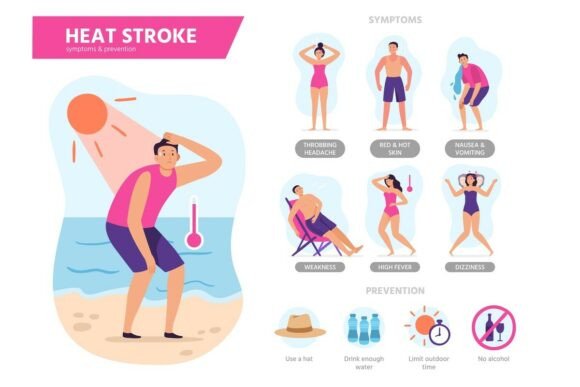
- High body temperature—usually above 104°F (40°C)
- Hot, dry skin—no sweating in some cases
- Fast, strong pulse
- Headache, dizziness, or confusion
- Nausea or vomiting
- Loss of consciousness
How to Protect Yourself from Sunshock and Heat Stroke
Prevention is the best approach when it comes to heat stroke symptoms and sunshock. Simple steps can make a big difference in staying safe during hot days. Staying hydrated, wearing appropriate clothing, and taking regular breaks in the shade are all effective strategies.
For those working outdoors, employers should provide cooling stations and ensure workers understand the risks. For beachgoers, using sunscreen, wearing hats, and limiting time in direct sunlight are smart choices. Even indoor workers can suffer from heat stress, so maintaining a cool environment is important.
Summer Safety Tips for Everyone
- Stay hydrated—drink water regularly, even if you don’t feel thirsty
- Avoid alcohol and caffeine—they can dehydrate you
- Wear light-colored, loose-fitting clothes
- Use sunscreen with at least SPF 30
- Take breaks in shaded areas
- Know the signs of heat illness
Using Heat Stroke Symptoms Knowledge in Daily Life
Understanding heat stroke symptoms and sunshock isn't just for emergencies—it can influence daily decisions. For example, event planners might use this knowledge to schedule outdoor activities during cooler hours. Teachers can educate students on sun safety, and small business owners can create policies that protect employees from heat-related risks.
Vector infographics and illustrations about heat stroke symptoms are also valuable tools. They help explain complex information in an easy-to-digest format, making it accessible for beginners and experts alike. These visuals can be used in presentations, social media posts, or educational materials to raise awareness.
Real-World Applications of Heat Stroke Awareness
Heat stroke symptoms knowledge is useful in many areas:
- Outdoor events—planners can adjust schedules and provide cooling resources
- Health and wellness—fitness instructors can teach clients about hydration and heat safety
- Corporate training—companies can include heat safety in employee health programs
- Public education—communities can distribute sunshock prevention guides
Important Considerations Before Taking Action
Before implementing any heat protection strategy, consider individual needs and environmental factors. Children, elderly individuals, and those with chronic health conditions are more vulnerable to heat-related illnesses. It's also important to assess local weather patterns and plan accordingly.
Additionally, always have a plan for emergency situations. Knowing where to seek medical help and having access to cooling items like fans or ice packs can be lifesaving. Learning about heat stroke symptoms and sunshock isn’t just about avoiding danger—it’s about being prepared.
Final Thoughts on Heat Stroke Symptoms and Sunshock
Heat stroke symptoms and sunshock are real concerns that require attention, especially during the summer months. By understanding the signs, taking preventive measures, and spreading awareness, we can reduce the risks associated with extreme heat. Whether you're at the beach, working outside, or simply enjoying a sunny day, staying informed is the first step toward safety.
Remember, prevention is always better than cure. Use the information provided here to make smarter choices and protect yourself and others from the dangers of heat. With a little care, you can enjoy the summer safely and comfortably.